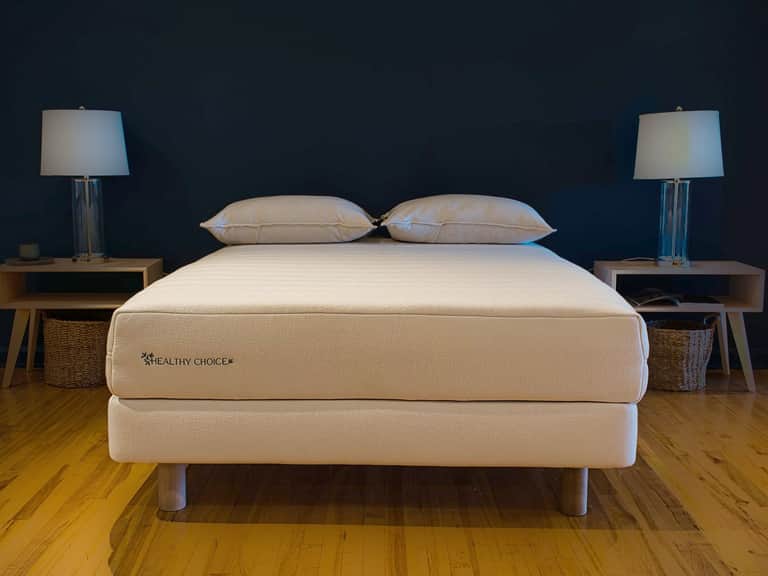
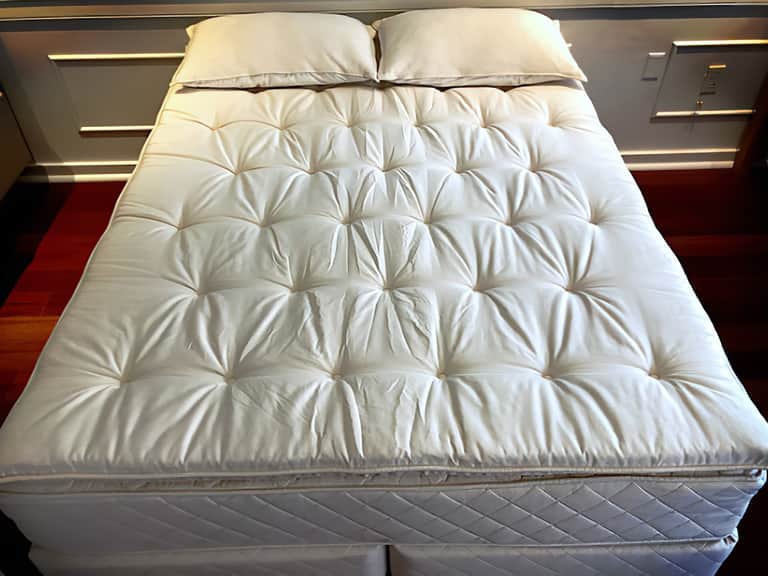
Natural latex mattresses, including those like the Naturally Organic Hudson Latex Mattress, are renowned for their supportive, buoyant comfort and durable performance. These beds use latex foam derived from rubber trees, often combining organic materials and antimicrobial properties. The result is a resilient sleeping surface that adapts to body contours while maintaining consistent support over time, reducing pressure points.
One key feature of natural latex mattresses is their breathable structure, with an open-cell composition and sometimes ventilated layers. This enhances airflow, helps regulate temperature, and reduces heat retention. For sleepers in London climates, this can contribute to a more balanced sleep environment, supporting restful, uninterrupted nights across seasons.
The Hudson Latex Mattress often emphasizes natural materials, low motion transfer, and standout durability. Its multi-layer design may include organic fleece and wool or cotton fabrics to regulate moisture and provide a comfortable, hypoallergenic sleeping surface. Its durability aligns with long-term value and consistent support for varying body types.
When considering natural latex mattresses, it's important to understand firmness options, zoning, and certification standards. Many latex mattresses offer varying firmness profiles within a single model, providing targeted support for the shoulders, hips, and spine. Certifications related to organic content reassure users about material provenance and environmental considerations.
In the broader context of sustainable sleep, natural latex mattresses contribute to a healthier indoor environment by avoiding synthetic additives and reducing off-gassing. They pair well with breathable toppers and appropriate bed foundations, supporting proper spinal alignment and comfort. For those seeking long-lasting, naturally derived sleep surfaces, these mattresses offer a clinically informed option.
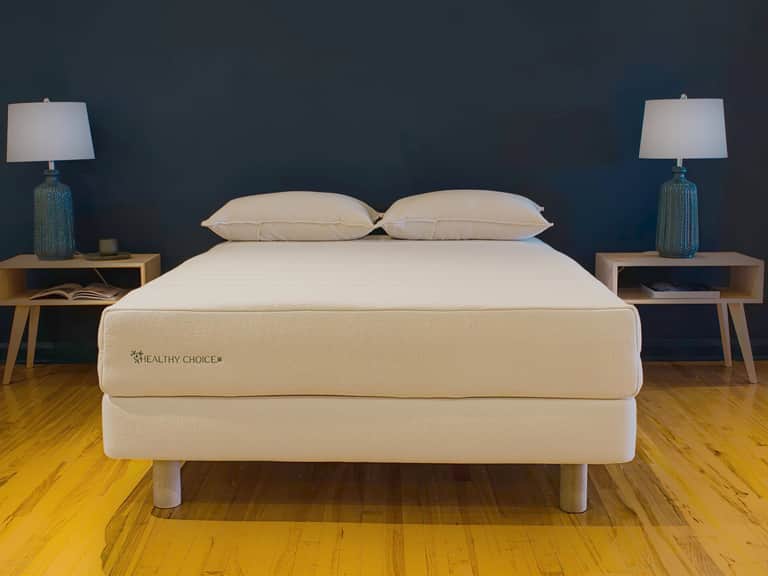 Mattresses