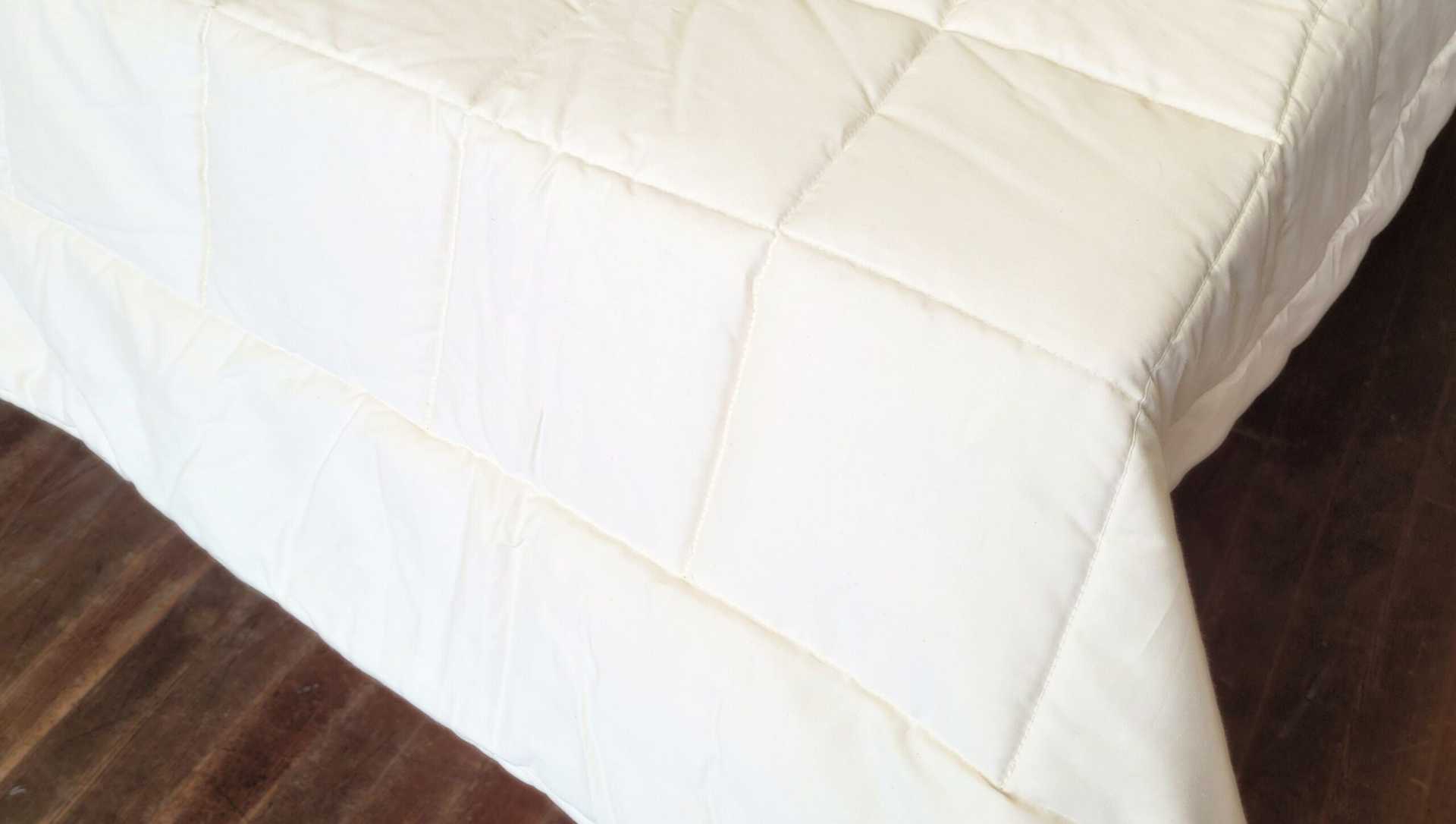
Comforters provide a crucial layer of warmth and insulation for restful sleep, balancing warmth with breathability. In this category, materials such as organic wool and cotton are highlighted for their natural moisture-wicking properties and temperature regulation. Understanding the differences between fiber types helps select a comforter that matches seasonal needs and personal preferences for sleep comfort.
Certified Organic Wool Comforters leverage the insulating, resilient qualities of wool fibers. Wool helps regulate temperature by trapping air and absorbing excess moisture, which can reduce heat buildup. This makes it a versatile choice for varying climates, supporting comfort through cool nights and milder transitions without relying on synthetic fillers.
Organic Quilted Cotton Comforters feature densely woven cotton fabric and a stitched quilt construction that preserves loft and even warmth. Cotton’s softness and breathable fibers contribute to a comfortable sleep surface, while quilting minimizes fiber migration and maintains consistent warmth throughout the night, aligning with sustainable bedding practices.
Key features across these comforters include certified organic materials, low-impact production methods, and durable finishes that withstand regular laundering. Functionally, they offer allergen-conscious options, hypoallergenic textures, and reliable warmth without excessive weight, supporting a healthy sleep environment for a wide range of users.
In examining bedding components such as comforters, it is helpful to consider compatibility with compatible components like organic mattresses, latex toppers, and complementary sheets. The materials emphasize natural comfort, moisture management, and long-term performance, contributing to a cohesive and healthy sleep setup for restful nights.
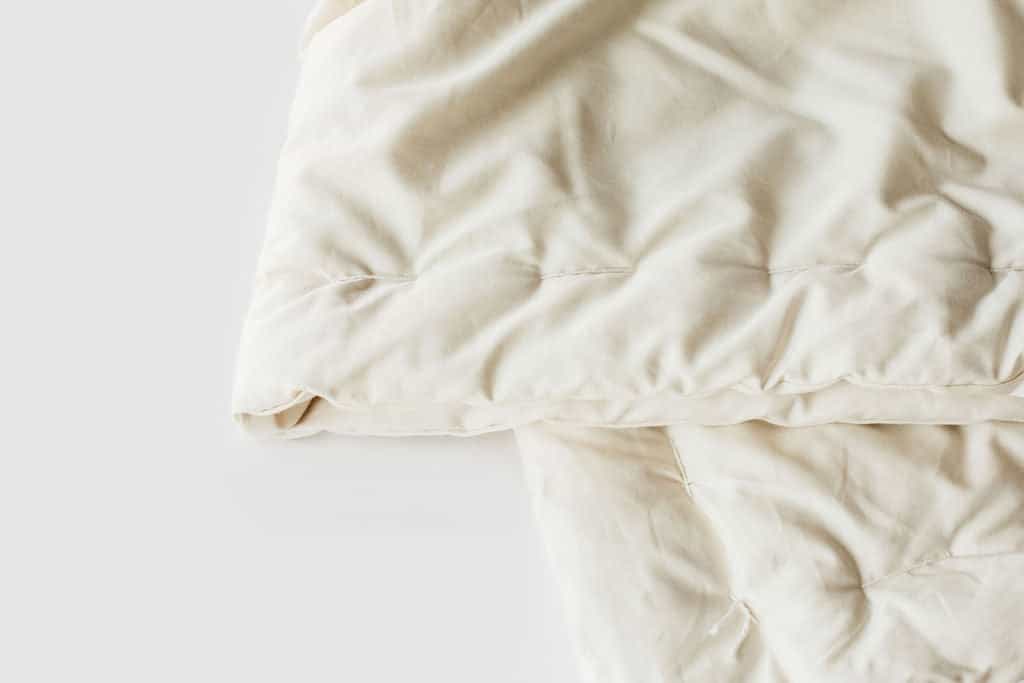 Bedding