 Bedding
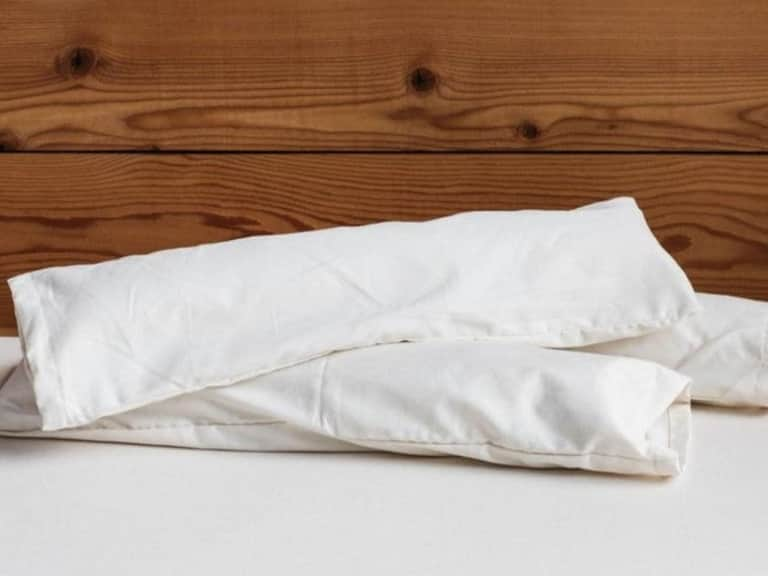
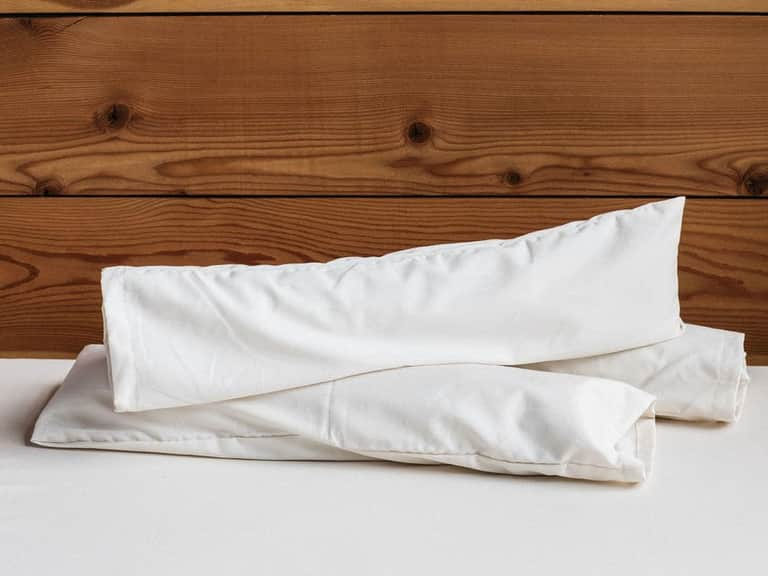
Neck Roll
Enjoy steady neck support with premium eco wool in a soft organic cotton sateen cover; removable, easy-care case and simple spot-cleaning keep your pillow fresh night after night.
Wool is a natural, breathable fiber prized for temperature regulation and moisture management, making it suitable for bedding and sleep surfaces. In this category, fibers such as organic wool provide warmth without overheating, while maintaining a comfortable microclimate. Consumers can expect durability, resilience, and an earth-friendly profile that aligns with organic and sustainable living principles.
Key properties of wool include its ability to wick moisture away from the body, resist dust and odors, and compress for supportive comfort. These characteristics contribute to healthier sleeping environments by reducing humidity and promoting air circulation. Understanding wool’s composition helps clarify its role in sheets, pillows, and mattress toppers within organic home textiles.
Among the featured products, the Neck Roll and Certified Organic Neck Roll exemplify wool’s ergonomic benefits. Neck rolls provide targeted support for cervical alignment, helping to relieve tension and improve posture during rest. The organic certification signals responsible sourcing, low chemical exposure, and alignment with organic standards for bedding materials.
In addition to support, wool accessories offer versatility across seasons. The thermal properties of wool adapt to varying room temperatures, contributing insulating comfort in cooler periods and promoting breathability when conditions are warmer. This makes wool-based sleep products relevant for bedrooms seeking natural, low-impact options without synthetic reliance.
When evaluating wool for bedding and pillows, consider fiber length, density, and finish, along with any certifications such as organic or natural fiber labeling. Proper care, including routine airing and appropriate washing guidelines, helps maintain loft, resilience, and hygiene. The included neck roll options illustrate practical uses of wool in supporting daily comfort and wellbeing.
Bedding
 Bedding
 Bedding