Throw pillows serve both functional and aesthetic roles in home environments, providing supportive comfort for seating and added insulation for lounging areas. In this category, fibers and fillings are chosen for durability, temperature regulation, and tactile appeal. Understanding pillow construction helps match fill weight, fabric weave, and size to room lighting, seating ergonomics, and seasonal use with organic material considerations.
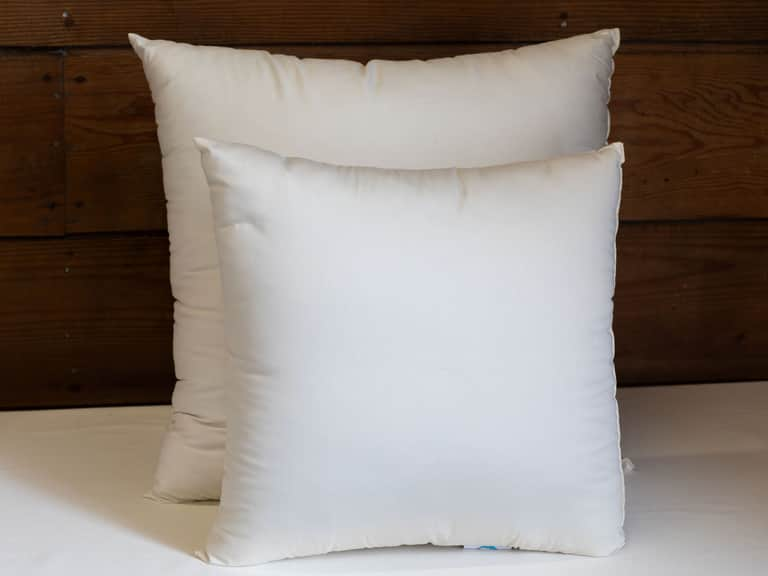
Wool throw pillows exemplify natural warmth and resilience. Wool fibers regulate moisture, resist overheating, and maintain shape through continual compression. These pillows often feature breathable covers and natural dye processes, aligning with sustainable bedding practices. When selecting wool varieties, consider loft, stitch density, and needle-punch or woven textures that influence softness and long-term loft retention.
Key features to assess include cover material, fill type, and care requirements. Organic or untreated fabrics, low-irritant finishes, and allergen-conscious designs are common in premium throw pillows. For functional benefits, look for pillows that offer consistent support for lower back or neck alignment during extended seating, while also enhancing the room’s tactile palette.
In practical use, throw pillows can define zones within living spaces, complement bedding ensembles, and contribute to acoustic damping on hard-surfaced walls. For bedrooms or living areas, consider pillow sizes that harmonize with existing cushions or sheets, and select breathable Wool Throw Pillows to balance insulation with air circulation during different seasons.
Within this category, particular Wool Throw Pillows emphasize natural fiber advantages, including warmth, resilience, and eco-friendly manufacturing. Features to note include fiber origin, recycled packaging, and care instructions for maintaining loft and softness. Understanding these aspects supports informed decisions about pillow suitability for daily use and long-term comfort along with bedding harmony.
 Bedding